Press release
Publication date: 2026-11-05T17:30
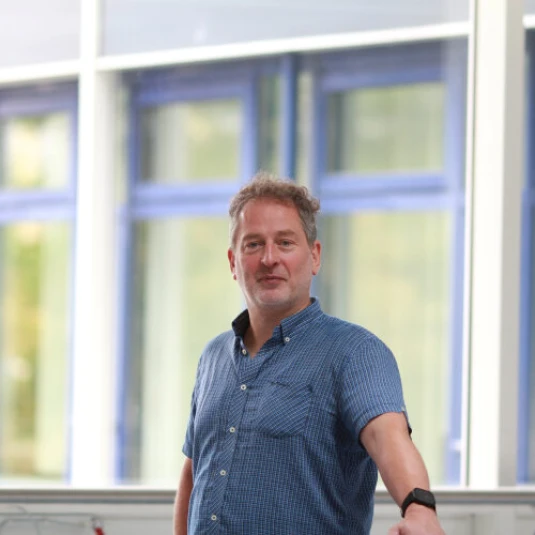
District Administrator Klaus Grootens has presented the draft of the double budget for 2027/2028 Tense economic situation, increasing social expenditures, and structural underfunding of municipalities burden the district budget
Oberbergischer Kreis. District Administrator Klaus Grootens presented the draft double budget for the years 2027 and 2028 at today's district council meeting. The difficult economic situation, declining levy bases, and significantly rising mandatory expenses pose major financial challenges for the Oberbergischer Kreis. Particularly, the costs in the social and youth welfare sectors, as well as the increasing regional levy, strain the district budget. Additionally, rising expenses for personnel, energy, construction services, as well as material and services are contributing factors.
In his budget speech, District Administrator Grootens emphasized that the economic situation in Germany has not improved but has worsened since the last budget presentation. Businesses and municipalities in Oberbergischer Kreis are also affected. At the same time, the financial situation of all municipalities in North Rhine-Westphalia is extremely strained. In 2025, they recorded a record deficit of a total of 9.3 billion euros.
The causes, according to the District Administrator, are not solely on the revenue side. Instead, increasing statutory entitlement claims, additional tasks, and higher personnel and social expenses lead to an ever-greater burden on municipal budgets. Often, sufficient refinancing from the federal and state levels is lacking.
The economic development also affects the financial strength of the thirteen cities and municipalities in Oberbergischer Kreis. Around 40 percent of the employees subject to social insurance contributions work in manufacturing or industry. This makes the Oberbergischer Kreis particularly vulnerable to the current weakness in the industrial sector. While levy bases in North Rhine-Westphalia are expected to increase slightly by an average of 0.97 percent for 2027, they are projected to decrease by 1.44 percent in Oberbergischer Kreis.
Rising costs in the social and youth welfare sectors
A significant burden is the rising regional levy to the Rhineland Regional Council. The payment obligation of Oberbergischer Kreis increases from 97.3 million euros in 2026 to an estimated 110.7 million euros in 2027. By 2028, it is already expected to reach 117.7 million euros.
Own social expenses are also increasing significantly. Just in the areas of integration assistance and care assistance, there are additional expenses of 8.9 million euros compared to the 2026 budget. The youth welfare budget increases by another 6 million euros to a total of 154.3 million euros in 2027. Additionally, there are higher personnel and pension costs, as well as the loss of subsidies. For example, starting in 2027, the previous personnel cost reimbursements from the Public Health Service Pact amounting to around 1.9 million euros annually will cease. "The structural causes of this development cannot be solved solely by the district. Rising statutory entitlement claims, increasing case numbers, and demographic developments directly impact municipal budgets. Furthermore, decisions by the federal and state levels often result in financial consequences borne by municipalities," said Grootens.
District levy must be increased
The district budget for 2027 has a total volume of around 670 million euros. Rising expenses meet declining levy bases. To continue fulfilling and financing its statutory tasks, Oberbergischer Kreis must increase the district levy. The general district levy rate is to be raised from the current 39.4 percent to 44.4 percent in 2027 and 46.3 percent in 2028. The youth welfare levy will also be increased.
For the cities and municipalities, this means an additional burden: their payment obligation increases by almost 32 million euros in 2027 compared to the previous year. Another increase of around 21 million euros is expected for 2028. District Administrator Grootens emphasized that he fully understands the concerns of the mayors in light of this development. At the same time, the district must ensure it can continue fulfilling its statutory tasks. "We must clearly differentiate between the costs we can influence ourselves and the burdens imposed by rising statutory entitlement claims, increasing case numbers, or levies. We have been very restrictive with our own expenses. However, the structural development, particularly in the social sector, cannot be compensated for by further savings," emphasized District Administrator Klaus Grootens.
During the consultation process initiated in September and in discussions with the mayors, it became evident that the financial situation in the cities and municipalities is extremely strained. There is consensus that the financing of municipal tasks must be fundamentally improved. Neither the district nor the cities and municipalities caused the current financial crisis.
District utilizes its own consolidation options
Despite these conditions, the district administration intensively reviewed where expenses could be limited, priorities set, and burdens for the municipalities reduced while drafting the double budget. To alleviate the burdens on the cities and municipalities, Oberbergischer Kreis is utilizing budgetary options for consolidation. The remaining balancing reserve of approximately 4 million euros will be used. The loss carryforward instrument will also be utilized.
Another sign of consolidation efforts is the reduction of the personnel plan by two positions compared to the previous planning. This is being done despite additional requirements and growing tasks for the district administration. Additionally, a global reduction of two percent in personnel costs is planned.
Despite the difficult financial situation, the district’s important future tasks should not be overlooked. Investments in schools, disaster protection, infrastructure, and the development of the economic location remain key priorities. Offers in the areas of health, volunteering, and village development also significantly contribute to the quality of life in Oberbergischer Kreis.
Further savings options are being reviewed
For the upcoming budget consultations, District Administrator Grootens has presented the district council with further consolidation proposals. These include the continuation of individual projects and offers as well as possible adjustments to fees and charges. The proposals will be discussed in the coming weeks.
At the same time, the District Administrator appealed to the federal and state levels to address the structural underfunding of the municipal level and to implement the principle of connectivity more consistently. Municipalities must be enabled to fulfill their tasks permanently.
"We cannot grow out of this structural deficit on our own. But what we can do—and what we must do for the people in this region—is demonstrate solidarity," said District Administrator Grootens.
The district council will deal with the budget draft and objections from cities and municipalities in the coming weeks. The final resolution on the double budget 2027/2028 is scheduled for December 17, 2026.