Press release
Publication date: 2026-11-18T13:30
Raccoons on the rise in the Oberbergischer Kreis Caution is advised when dealing with them
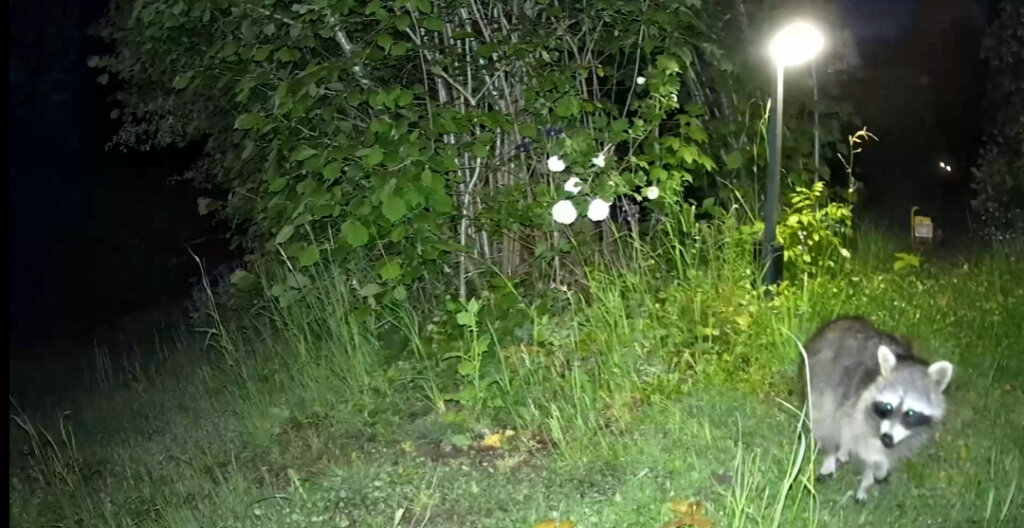
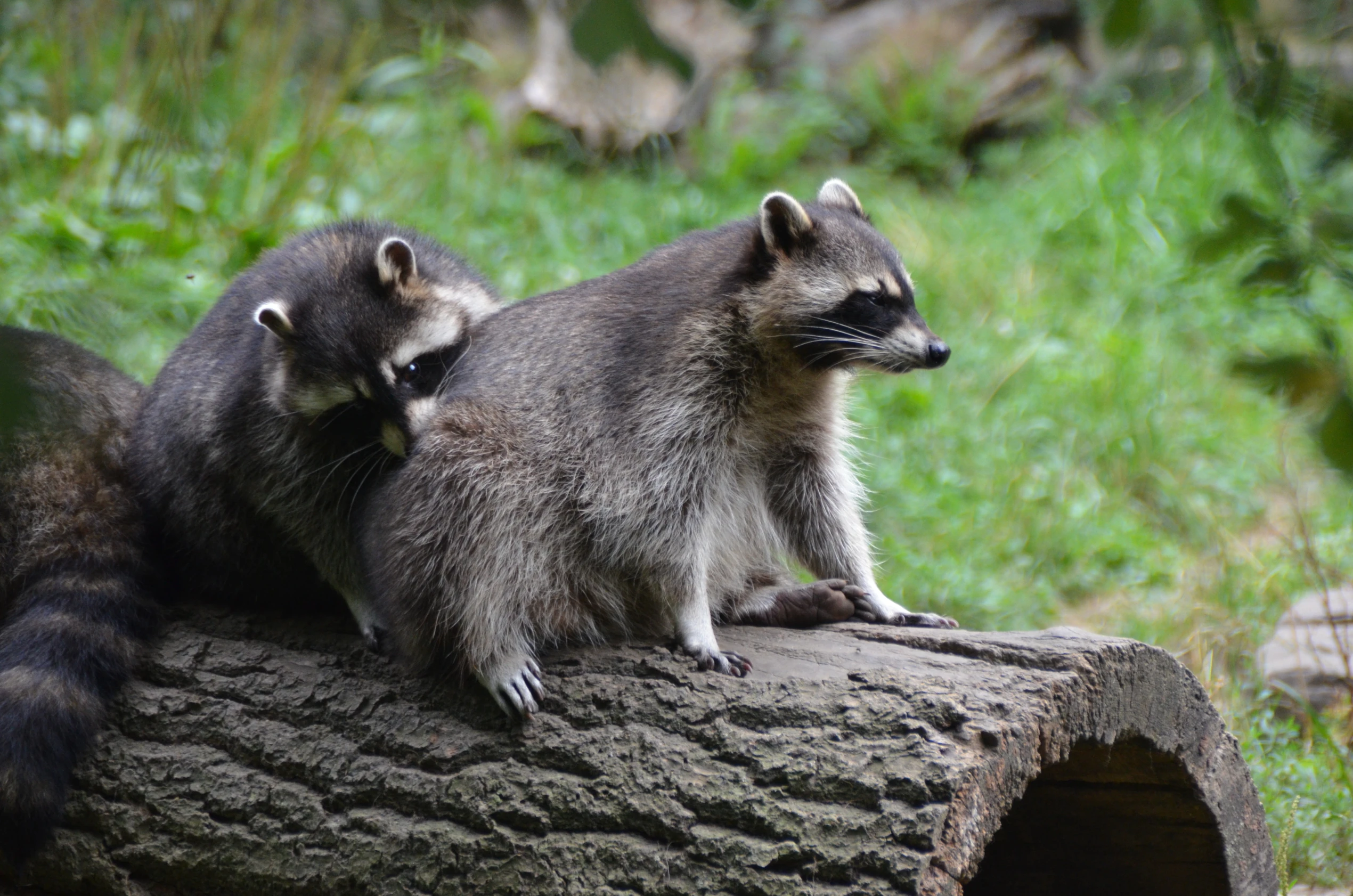
Oberbergischer Kreis. More and more raccoons are being sighted in the Oberbergischer Kreis. With the spread of these animals, problems for local wildlife and homeowners are also increasing.
Raccoons live near forest edges and bodies of water and are omnivores (insects, nuts, fruits, fish, eggs from bird nests). However, the animals, originally from North America, are no longer confined to forests. In search of food and shelter, they are increasingly entering gardens and residential areas. There, they can destroy roof tiles and rummage through trash bins. Homeowners are not allowed to catch or kill raccoons on their own.
Hunting is subject to legal regulations
In North Rhine-Westphalia, raccoons are among the huntable species. While hunting these animals played a minor role until around 2019, annual shooting numbers have since increased from 100 to about 650 animals per year. Raccoons have few natural predators in this region, and their litter size averages four offspring per litter with a gestation period of about two months. Typically, females (called 'Fähen') give birth to young once a year. If they lose their young early, a second litter is possible under certain circumstances.
Targeted hunting can help curb their rapid spread. Adult raccoons may be hunted from September to February. In so-called 'peaceful districts,' which include residential areas and private properties, hunting is generally prohibited.
To assist affected individuals, the Oberberg Hunters' Association has established a task force of specially trained trappers. These experts can capture raccoons in residential areas using live traps. Since 2025, corresponding training courses have been offered to hunters to qualify them for this task. There is no legal obligation to hunt raccoons, so authorities rely on the voluntary commitment of hunters.
Impact on local wildlife
The increasing spread of raccoons also affects other animal species, such as cats, hedgehogs, and foxes. As skilled predators, they raid bird nests and eat eggs and young birds. Particularly problematic is the presence of raccoons in areas where measures to protect endangered species are already in place. By raiding nests, these animals can jeopardize the successes of such conservation programs.
Health risks should not be underestimated
Raccoons can also pose dangers to humans. If threatened, they may bite or scratch, causing injuries that can become infected. Moreover, they can transmit parasites, such as the raccoon roundworm. The eggs of this parasite are excreted in the feces of infected animals and can enter the human body via contaminated hands, potentially causing severe neurological diseases.
Special caution is advised regarding so-called raccoon latrines, places where the animals repeatedly defecate. These spots can be found in tree hollows, attics, sandboxes, or wood piles. The feces are often dark, elongated, and about seven to 15 centimeters long. Those who discover such droppings should avoid direct contact. Gloves and respiratory protection are essential when cleaning up such waste.
How citizens can protect themselves
To avoid attracting raccoons, the hunting authority recommends eliminating open food sources (cat, dog, bird food, and food scraps in trash bins) and securing buildings (climbing barriers on downspouts, sealing openings).
District Administrator Klaus Grootens emphasizes: “Hunting alone will not solve the problem. It's important for people not to create additional food sources for raccoons. Often, small changes in everyday life are sufficient. By securing trash bins and not leaving food scraps outdoors, homeowners can make their properties less attractive to raccoons.”
Further information can be found at www.obk.de/waschbaer