Heat and Drought
This page was translated from German using artificial intelligence. The translation may contain errors or inaccuracies. In case of doubt, the German original version prevails.
Prolonged heatwaves and droughts can have significant impacts on health, the environment, and supply systems. Elderly people, small children, those in need of care, and people with pre-existing health conditions are particularly at risk from high temperatures. Animals and plants also suffer from prolonged dryness.
Follow warnings and information
Follow warnings and information
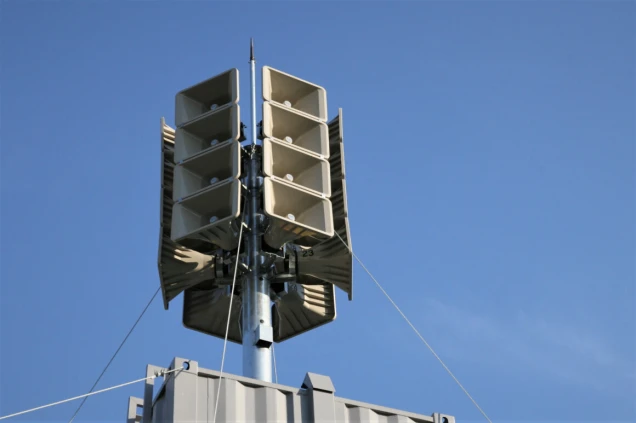
Get early information about upcoming heatwaves and pay attention to current warnings.
Use:
-
Warnings from authorities
-
The NINA warning app
-
Weather warnings from the German Weather Service (DWD)
-
Information from your district administration and local municipality
Early information helps to implement appropriate measures in time.
Preparing your household
Preparing your household
Prepare your home and surroundings for hot days:
-
Ensure an adequate supply of drinking water.
-
Keep necessary medications and a well-stocked first aid kit ready.
-
Create shading options, such as shutters, blinds, or sunshades.
-
Identify rooms that heat up significantly during hot weather.
-
Prepare light clothing and appropriate sunscreen.
Supporting particularly vulnerable people

Supporting particularly vulnerable people
Heat can be particularly challenging for certain groups of people. Pay attention to:
-
Elderly or people living alone,
-
People in need of care,
-
Chronically ill individuals,
-
Small children,
-
People with limited independence.
A regular check-in, phone call, or short visit can help detect health issues early.
Acting correctly in heat
Acting correctly in heat
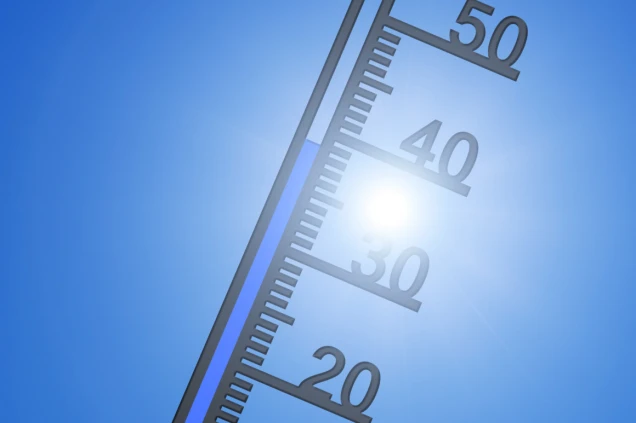
During high temperatures, the following measures can help:
-
Drink enough fluids, even if you're not very thirsty.
-
Avoid physically strenuous activities during the hottest part of the day.
-
Wear light, airy clothing and a hat.
-
Stay in shaded areas and avoid direct sunlight.
-
Watch for signs of overheating, such as dizziness, weakness, headaches, or circulation problems.
In case of acute health issues or a medical emergency, call emergency number 112.
Keeping your home cool
Keeping your home cool
To reduce the burden of heat indoors:
-
Ventilate during the cooler morning and evening hours whenever possible.
-
Keep windows closed during the day and shade rooms.
-
Avoid unnecessary heat sources in the home.
-
Use cooling methods, such as damp cloths or lukewarm showers.
Behavior during drought and dryness
Behavior during drought and dryness
Prolonged dry periods increase the risk of vegetation and forest fires.
Observe:
-
Do not throw cigarettes or burning items into nature.
-
Only light fires in explicitly permitted areas.
-
Respect local bans and guidelines regarding grilling or open flames.
-
Use water sparingly.
-
Follow guidelines from authorities regarding water extraction and use.
Safe on the go in heat
Safe on the go in heat
-
Avoid prolonged stays in direct sunlight.
-
Plan walks, sports, and other activities during the cooler morning or evening hours whenever possible.
-
Never leave people or animals alone in parked vehicles. Life-threatening temperatures can develop there in a short time.
Acting correctly in an emergency
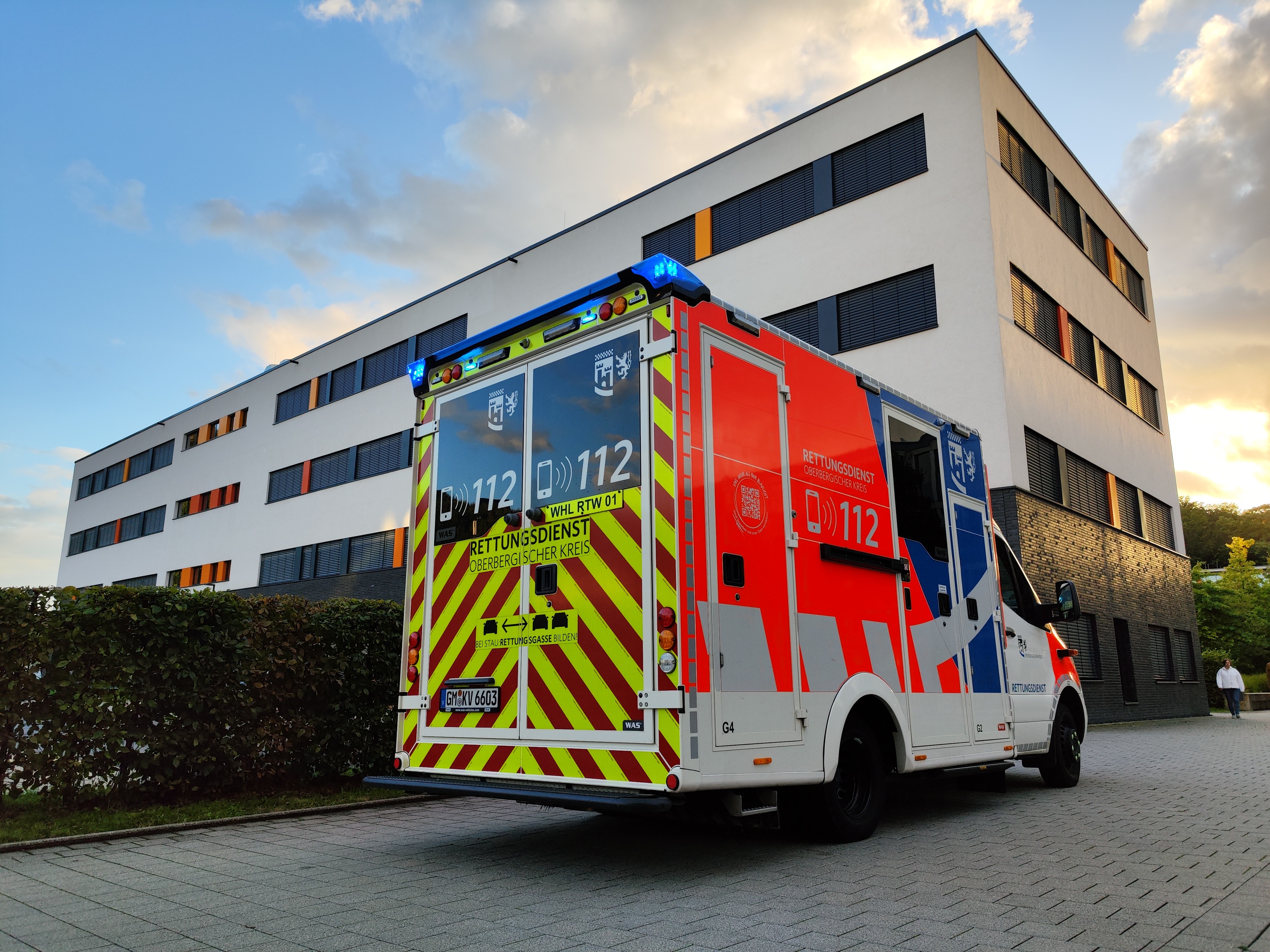
Acting correctly in an emergency
If a person shows signs of overheating:
-
Move the affected person to a cool place or into the shade.
-
Loosen tight clothing.
-
Offer drinks if the person is responsive.
-
Cool the body, for example, with wet cloths.
-
In case of severe symptoms, call emergency services at 112.
The Federal Office of Civil Protection and Disaster Assistance (BBK) offers detailed information on precautions and proper behavior during heat and drought:
