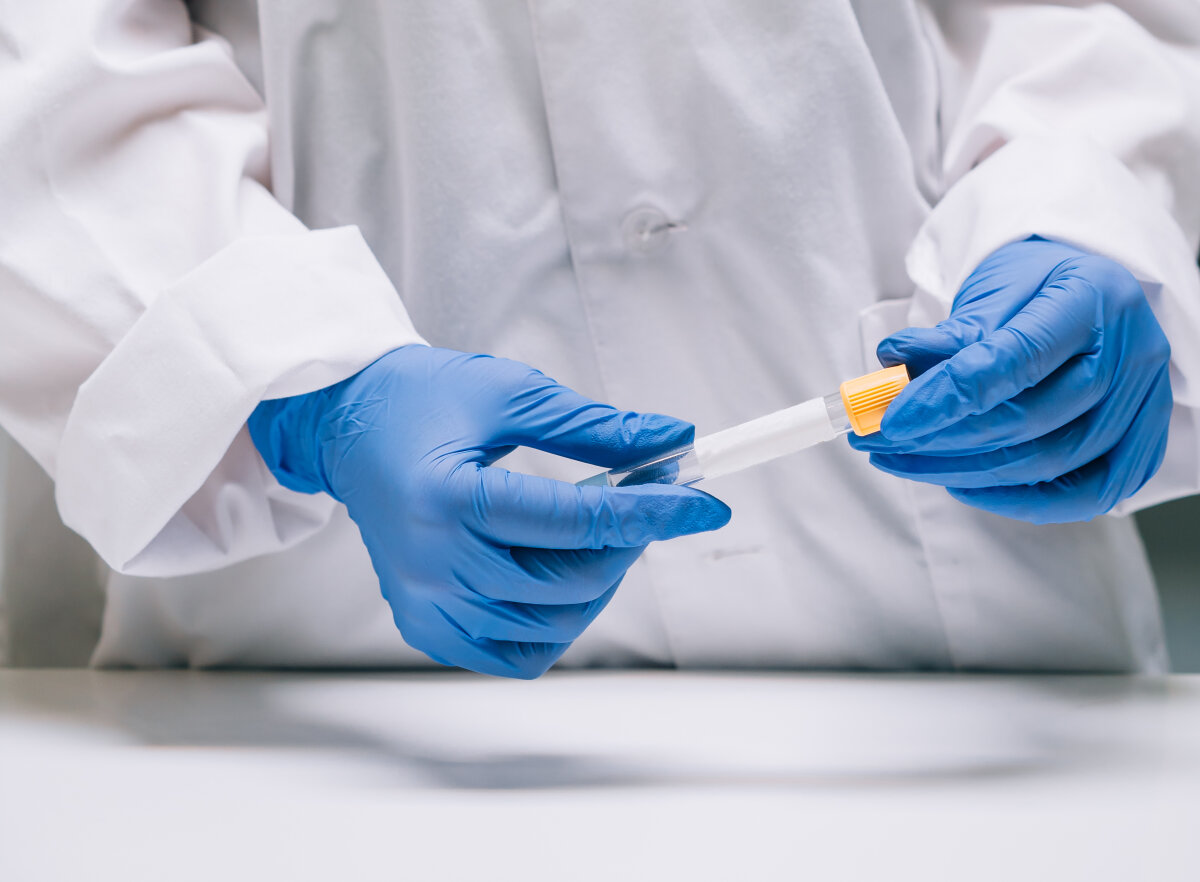
 copyright: Bild von teksomolika auf Magnific
Legionella - bacteria in drinking water?
This page was translated from German using artificial intelligence. The translation may contain errors or inaccuracies. In case of doubt, the German original version prevails.
Water contains not only trace and mineral substances but also bacteria and microorganisms. During the treatment of water to become drinking water, a process may take place that aims to reduce the content and kill the existing organisms. The water is treated to comply with the Drinking Water Ordinance in its current version, thereby qualifying as drinking water.
Despite adhering to the requirements of the Drinking Water Ordinance, bacteria are still present in drinking water to some extent.
Legionella are of great significance for drinking water hygiene in buildings. They differ from most other pathogenic bacteria in that they do not multiply in the human body but in biofilms, particularly in the temperature range of 20°C to approximately 55°C. When drinking water is supplied to the public, such as in hotels, kindergartens, sports facilities, schools, hospitals, etc., there is a regular obligation for operators to test the drinking water for Legionella and report the results to the health department.
The RKI also points to the critical temperature range mentioned above in its prevention measures.
Through aerosols, which are produced, for example, during showering, Legionella can be inhaled and cause severe pneumonia. The RKI provides detailed information about the infectious disease Legionellosis.
Excessive lowering of the temperature in hot water systems, prolonged stagnation times, restarting after periods of non-use, improper decommissioning, and recommissioning can lead to an increased presence of Legionella.
According to a 2020 report by the Federal Environment Agency, after consultation with the Drinking Water Commission "Collision Rule: Drinking Water Ordinance and Building Energy Act - Minimum Temperature for Heated Drinking Water from Large Drinking Water Heating Systems", the protection of human health takes precedence over the intention of energy savings.
Oliver Krischer, Minister for Environment, Nature Conservation, and Transport NRW, also emphasized in a press release on November 8, 2022, that health protection has priority.
Applicable Requirements for the Construction and Operation of Drinking Water Installations
The hot water circuit should be set so that the temperature after the water heater is at least 60°C. At 60°C, Legionella can no longer multiply.
However, any Legionella present at these temperatures are NOT killed!
Thermal disinfection, i.e., killing Legionella, only occurs with an increase in temperature to 70°C for at least 3 minutes throughout the entire hot water system, every 72 hours (anti-Legionella cycle).
Downloads
Notice to operators of public facilities
