 copyright: obk
Protected Areas and Objects
This page was translated from German using artificial intelligence. The translation may contain errors or inaccuracies. In case of doubt, the German original version prevails.
The monitoring and enforcement of applicable rules and prohibitions are the primary tasks of landscape protection, ensuring that future generations can also enjoy a livable and beautiful environment.
Nature Reserves
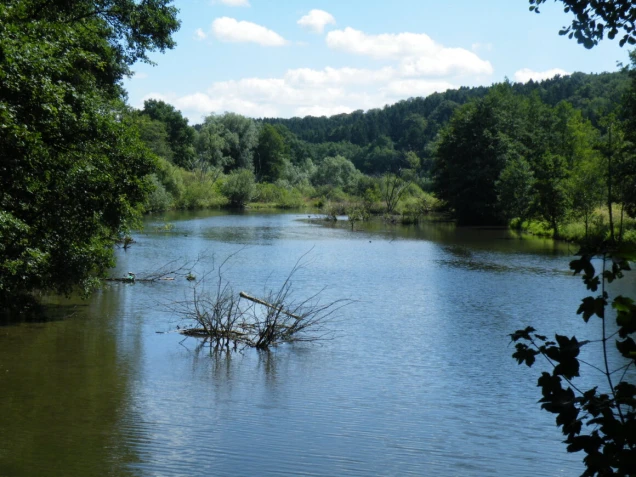
This is the strictest form of protection in the Oberberg District. Nature reserves are established to preserve and develop communities or habitats of certain wild animal and plant species.
These are usually particularly beautiful and well-preserved areas that feature rare biotope types. Extensive catalogs of prohibitions are intended to prevent adverse changes to these areas.
Currently, there are over 120 designated nature reserves in the Oberberg District. Further designation procedures are planned or already underway.
Landscape Protection Areas
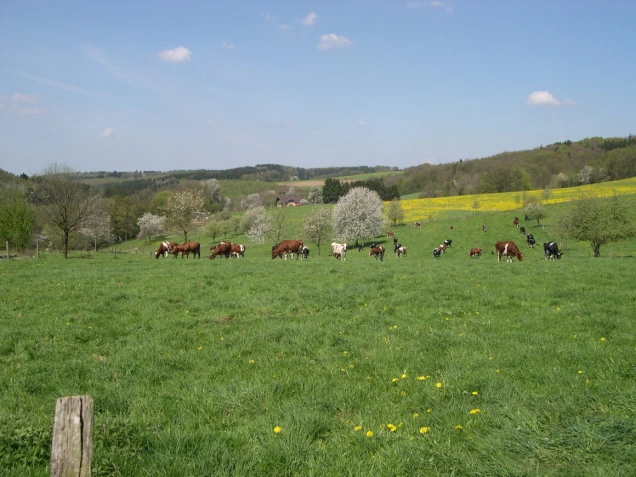
Landscape protection areas are designated to preserve or restore landscapes as a whole.
In the Oberberg District, the open landscape outside of settlements is almost entirely classified as landscape protection areas. Here, for example, construction bans and prohibitions on other interventions apply.
Agriculture following good professional practices and forestry in compliance with the Federal Nature Conservation Act are not restricted in landscape protection areas.
Natural Monuments
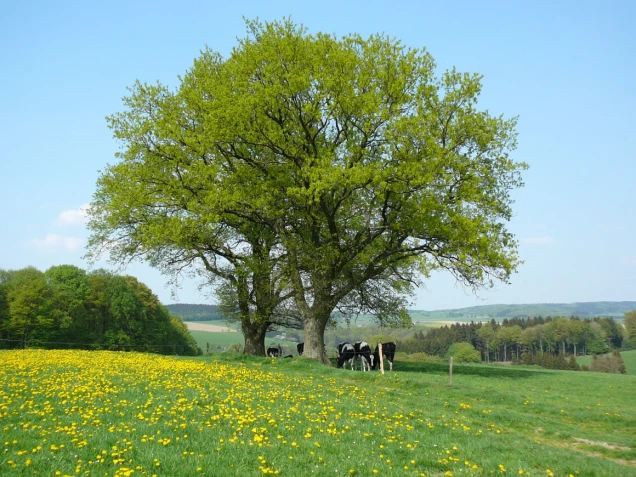
Natural monuments are individual creations of nature that are designated as such. Typical natural monuments include large old trees (e.g., oaks, beeches, lindens), as well as groups of trees, rows of trees, and avenues.
For these designations, absolute prohibitions on damage and destruction generally apply.
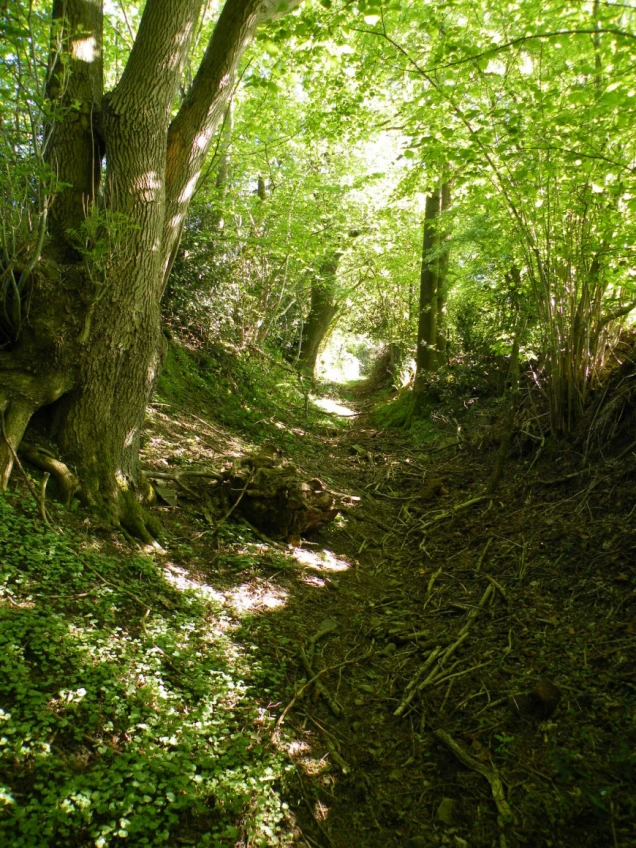
Protected Landscape Features
Larger individual trees, rows of trees, hedges, orchards, and small-scale habitats of rare animal and plant species, such as springs and former mining tunnels, are often designated as protected landscape features, provided they are not within nature reserves or if designation as a natural monument is not intended.
Plantings outside the forest, made and maintained in non-urban areas (i.e., in open landscapes) using public funds, are automatically considered legally protected landscape features that must not be damaged or removed. Roadside greenery is excluded from this.
Monitoring and enforcing the applicable prohibitions is the primary task of landscape protection, ensuring that future generations can also enjoy a livable and beautiful environment.
Contents and maps of the landscape plans
Contents and maps of landscape plans as well as the regulations of the protected areas, natural monuments, and protected landscape components are publicly accessible in the Spatial Information System Oberberg >> Climate, Nature and Environment
Contact for general questions about landscape planning
Rahul Klein
Frederic Theis
Contact for specific questions to the lower nature conservation authority
Bergneustadt, Gummersbach, Reichshof
Jeannette Gebhardt
Engelskirchen, Hückeswagen, Lindlar, Marienheide, Radevormwald, Wipperfürth
Felix Töpfer
Morsbach, Nümbrecht, Waldbröl, Wiehl
Petra Wall
